






Imagine...it's spring, and the morning sun is slowly burning the mist off the marshes...

A crane in the morning mist. Credit - RSPB images
You walk towards the source of this incredible sound, and catch a glimpse of movement in the meadow grasses. With bill turned skywards, a piebald head on a long slender neck is heralding the day. Your heart almost stops. Unmistakable - it's a crane!
Cranes are beautiful. Their trumpeting calls sound astonishing.
And they have a courtship dance that has to be seen to be believed.
Before hunting and the draining of our wetlands wiped them out, cranes were plentifuland widespread in the UK.
Today, there are around 20 pairs in the country - with the majority of them found in the Broads and Fens of East Anglia.
The Great Crane Project will help to re-establish the cranes' former numbers in wetlands throughout the UK, so that people can once again experience these wonderful and magnificent birds.
Explore this site, watch Return of the Cranes a short film, Meet the Cranes, view the Crane Sightings Map and if you've seen the cranes in the wild, you can find out more on how to submit your sighting.
Keep up to date with the Latest News providing regular updates
from the project team on the progress so far.
%s1 / %s2
Listen to the cranes
click on the title above to hear a pair of cranes bugling together at dawn. To stop playing, click on the title again.
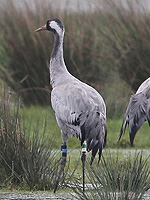 Cranes eat a whole range of food but generally small stuff – seeds, grains, roots, insects, spiders and worms.
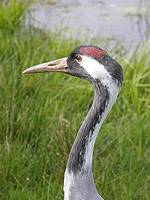
Cranes can not ‘perch’ as their back toe is partly up their leg – they are ground-dwelling birds.
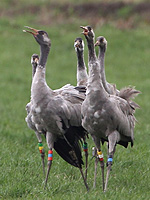 Cranes don’t usually breed successfully until they are 4 or 5 years old... and can live until they are 20 years old.
 They are the highest flying of all birds - they reach altitudes of 32,000 feet.
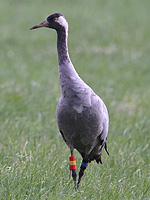 Despite appearances, Cranes are not at all related to Herons and Storks.
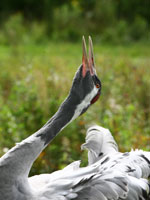 Cranes are one of the tallest of all breeding birds in the UK, standing up to 1.2m or 4 feet tall.
Keep up to date
- Find us on Facebook
- Follow us on Twitter
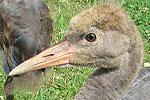 Red White Yellow
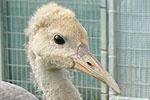 Red Blue Yellow
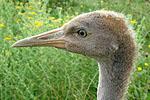 Red Green Yellow
 Red Black Yellow
 White Red Yellow
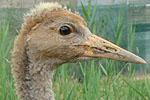 White Blue Yellow
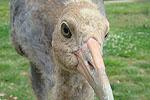 White Green Yellow
 White Green Yellow
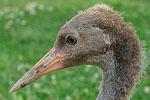 Blue White Yellow
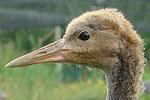 Blue Green Yellow
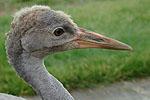 Blue Black Yellow
 Yellow Red Yellow
 Yellow White Yellow
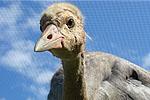 Sven
Sven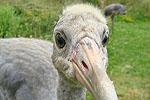 Yellow Green Yellow
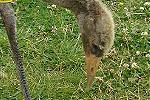 Yellow Black Yellow
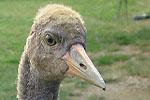 Green Red Yellow
 Green White Yellow
 Green Black Yellow
 Frieden
 Black White Yellow
 Black Green Yellow