
Frosty mornings and winter flocking
The last two weeks have brought us some hard frosts, with temperatures in the mornings below zero. Not only did the crane monitoring team notice this change, due to chilly hands and noses, the cranes were also feeling the cold. This was visible in the changing behaviour of the separate cohorts that had formed, which now started to fragment.
The smaller groups which were exploring new territory in separate directions joined forces once again, and now not only are they roosting together, but they are spending most of the day flying and foraging about the Levels as a group of 20. This behaviour reflects that of wild cranes which flock together for migration during winter, so we think this could be one of the reasons this has occurred.
The flock foraging around a ditch as the day
is warming up (Copyright Nick Upton)
Whereas before they would fly throughout the day at various times in different groups, their daily behaviour is now a little more predictable. Their flights are mostly taking place as dawn breaks, where they will visit favourite foraging areas and decoys we have set up, and also during the few hours before dusk. The afternoon flights are amazing to watch as the birds are really travelling quite a distance and are often seen in a large ‘v’ shape formation either soaring over the landscape slowly taking their surroundings or, on a windy day, flying so fast you might miss them as they dip behind groups of beautiful autumnal trees. They really are unmistakable, and once you have seen them you never forget it!
Many of these large flights are taking the birds to winter forage and we are excited to see them finding their own food sources as well as those which we provide. Maize and wheat stubble is attracting them and continuously taking them to new places!
Starting work as dawn breaks, watching the flocks of wintering birds building and creating different patches in the skies as they get ready for a new day is magical. Then joining these, a flock of 20 cranes appear, rising out of the mist, on their way to their first morning stop off and suddenly the cold biting at your fingers is forgotten. We have managed to get some lovely images of the group for you to enjoy during one of these frosty mornings.
The flock taking off for their first flight of the morning
(Copyright Nick Upton_naturepl.com)
Flying over frosty pastures
(Copyright Nick Upton_naturepl.com)
Coming into land at a daily foraging spot
(Copyright Nick Upton_naturepl.com)
Amy
%s1 / %s2
Bookmark/Search this post with


About the author
Amy King and Harry Nevard are the 2011 crane parents and their roles are to rear and nurture the young cranes to adulthood. Amy has previously worked on the cranes in 2010 and Harry has worked with Sarus and Brolgas in Australia and cranes and crakes at Pensthorpe. Prior to Harry's involvement Roland Digby worked on the cranes for the first year of the project.
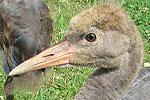 Red White Yellow
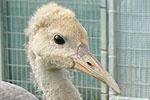 Red Blue Yellow
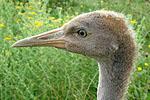 Red Green Yellow
 Red Black Yellow
 White Red Yellow
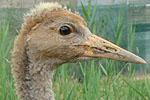 White Blue Yellow
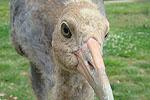 White Green Yellow
 White Green Yellow
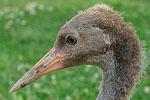 Blue White Yellow
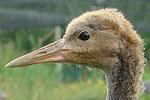 Blue Green Yellow
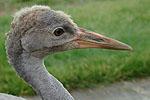 Blue Black Yellow
 Yellow Red Yellow
 Yellow White Yellow
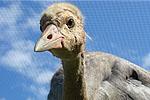 Sven
Sven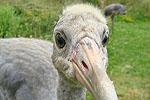 Yellow Green Yellow
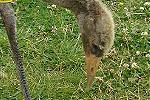 Yellow Black Yellow
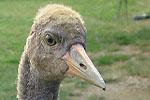 Green Red Yellow
 Green White Yellow
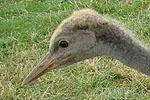 Green Black Yellow
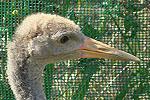 Frieden
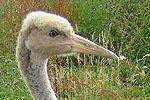 Black White Yellow
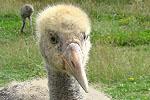 Black Green Yellow
Comments
Really enjoyed Amy's talk at Timsbury on Monday.